
What parents should look for
Start with the kind of thinking the child enjoys now, then choose a toy with enough challenge to grow. A good STEM product should make it easy to try again after something fails.
Logic and sequencing
Coding toys should let children plan an order of actions, run it, spot the mistake, and change the sequence rather than only press a “go” button.
Engineering habits
Construction and circuit kits are stronger when children can compare designs, test stability or function, and rebuild instead of following one fixed model.
Creative problem solving
Look for multiple solutions, adjustable challenges, or open-ended materials that reward experimentation instead of one correct finished result.
Screen-free options
Screen-free can reduce setup friction for younger kids, but an app can add useful coding depth when it clearly extends—not replaces—the hands-on activity.
New STEM toy discoveries for 2026
Our September product scan added a wider set of current 2026 products across coding, mechanical engineering, physical science, nature and mixed digital learning. We keep screen requirements and source conflicts explicit so “STEM” does not become a catch-all label.
Coding & engineering
Coding Chameleon uses physical programming cards and sensors; Boxineers Cardboard Vehicles turns household cardboard into reusable engineering builds; and the National Geographic 4-Cylinder Engine Kit exposes pistons, valves and gears in motion.
Science & nature
Compare the Great White Shark Dissection Lab, Motorized Power Rocket, Barbie Chemistry Activity Lab and Build a Bee Habitat for anatomy, aerodynamics, chemistry and pollinator observation.
Building & spatial reasoning
The Barbie Sparkle Marble Run adds gravity and track testing, SmartMax My First Animals Around the World brings magnetic construction down to toddler scale, and Pixel Art Pro combines spatial planning, patterns and sequencing.
Connected STEM
LEGO Pokémon SMART Play blends physical building with a SMART Brick, while National Geographic VR Extinction combines a physical book and fossil puzzle with app-based AR/VR. Neither should be treated as equivalent to fully offline play.
Featured reviews
Botley 2.0 Coding Robot
A screen-free coding robot that uses a handheld programmer, coding cards, obstacle courses, and repeatable challenges.

Official Sphero photo • source
Sphero indi
Color-tile sequencing and debugging without a screen, with an optional app progression.
Official MatataStudio photo • source
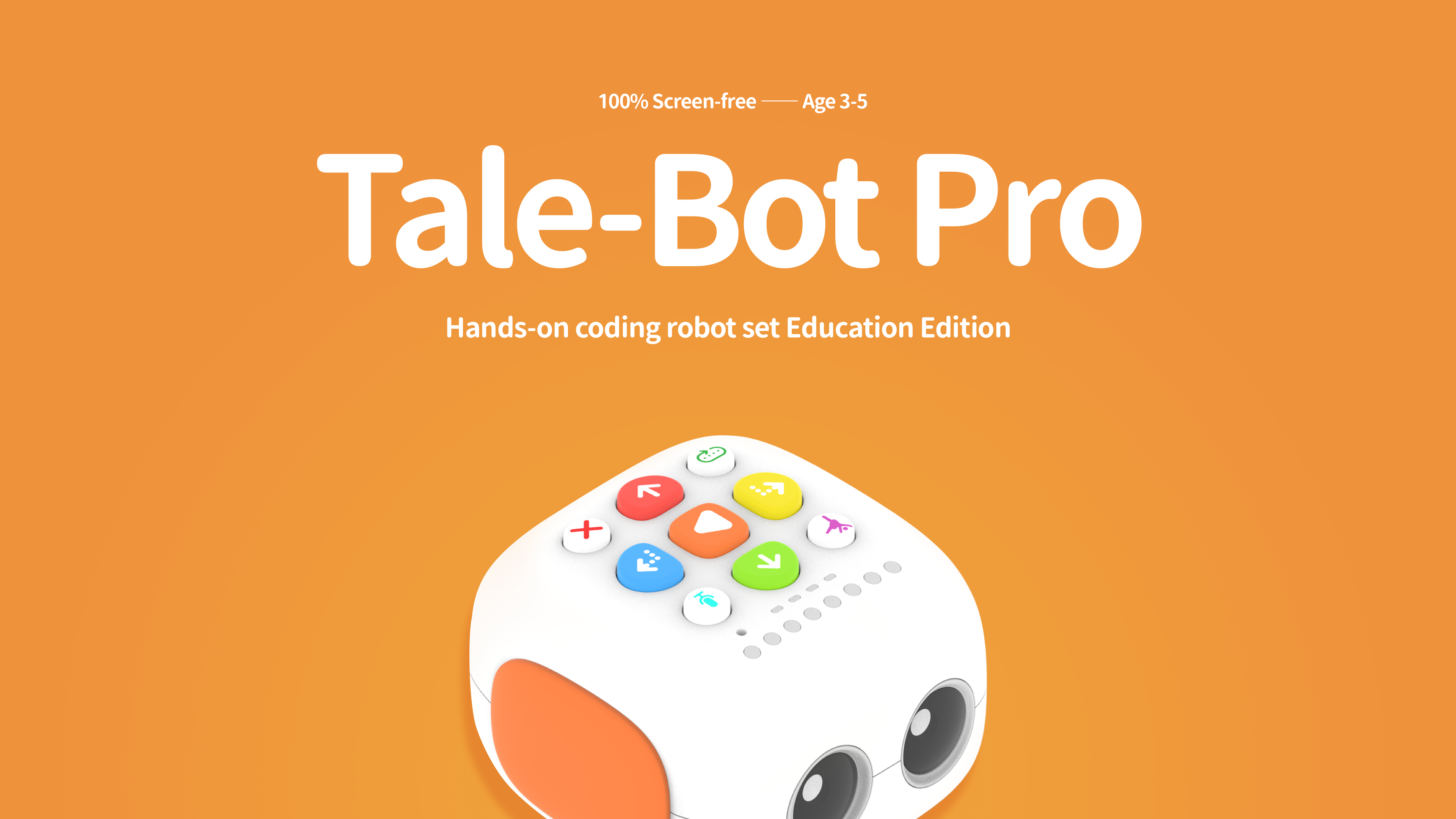
Tale-Bot Pro
Screen-free button coding, storytelling, drawing, dancing, loops, and voice feedback.
Official Upper Story photo • source
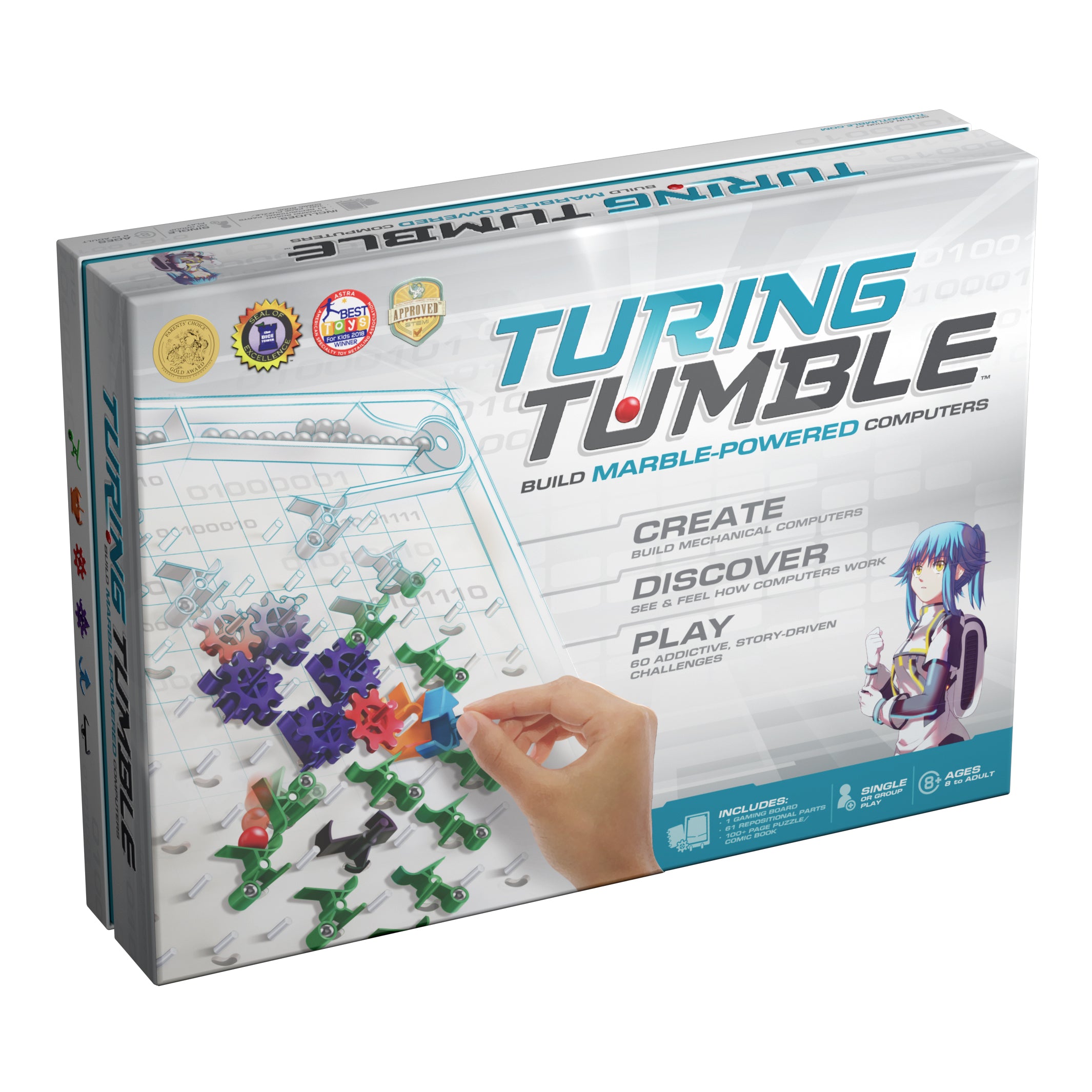
Turing Tumble
A battery-free mechanical computer built through 60 progressive marble logic puzzles.
Official Upper Story photo • source
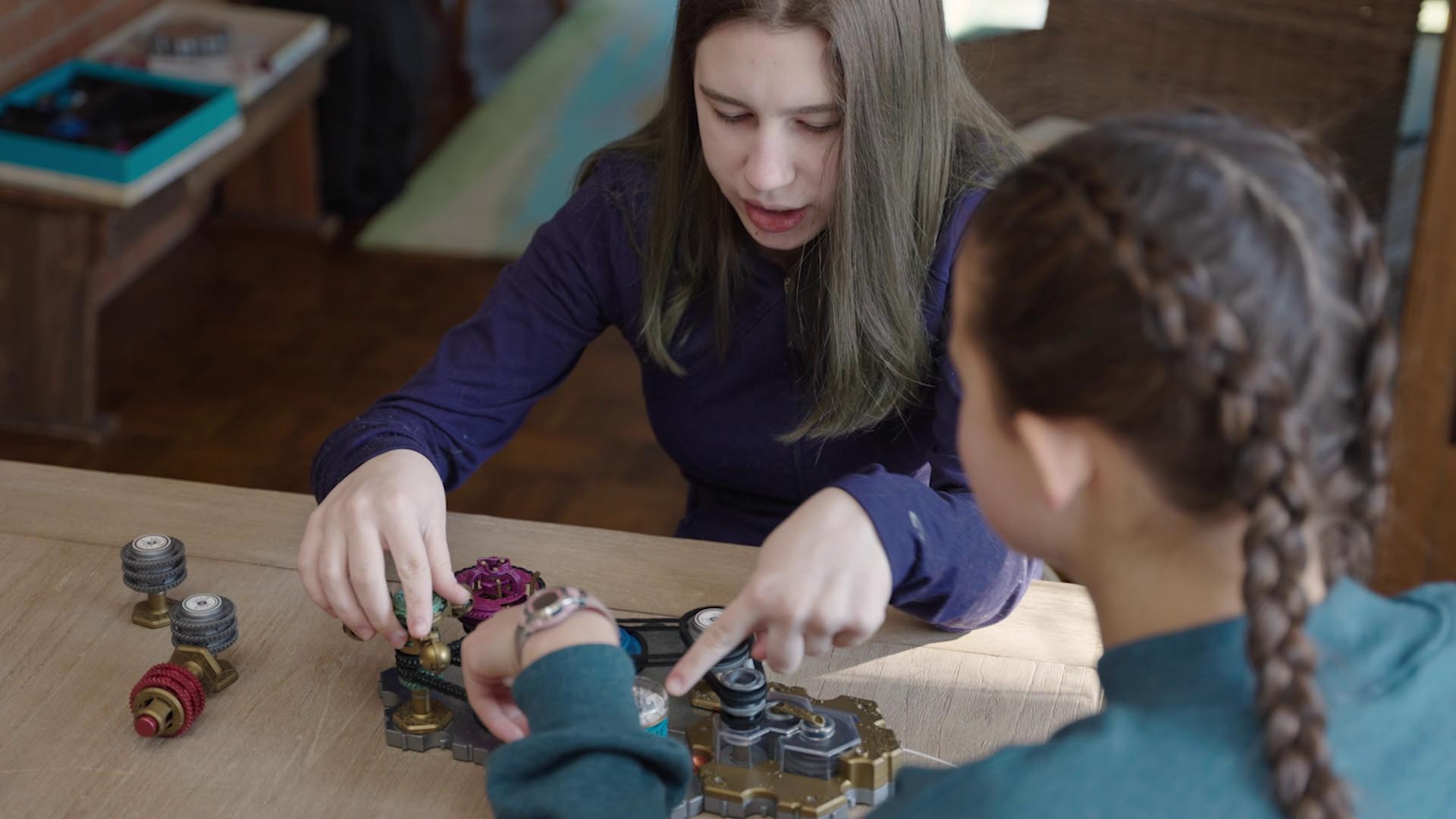
Spintronics Act One
A tactile chain-and-sprocket model of electronics with 67 progressive circuit puzzles.
Our buying checklist
- Start with the manufacturer’s current age guidance, warnings, and small-parts information.
- Match the challenge to the child’s current reading, fine-motor, and frustration-tolerance level.
- Identify the actual skill: sequencing, circuits, mechanics, spatial reasoning, measurement, or scientific testing.
- Check setup time, screen requirements, batteries or charging, floor/table space, and how easily the activity can be repeated.
- Prefer products with multiple challenges or open-ended builds so learning can continue after the first success.