
Current quick comparison
Toniebox 2
Age 1+ · $129.99. Toniebox 2 uses physical Tonie figures and child-friendly controls. Tonies positions the player itself for ages 1+ and sells content with its own age labels, so parents should check the specific figure or Tonieplay experience too.
Yoto Mini (2024 Edition)
Age 3+ · $79.99. Yoto Mini uses cards, has no microphone or camera, offers up to 14 hours of playback and 32GB of storage, and can play most downloaded cards without Wi-Fi after setup.
New smart-learning releases we are tracking in 2026
Smart learning now extends well beyond audio players. These newer products cover active TV learning, self-contained handheld games, music creation, early music feedback and kid-focused content creation. We classify each by its real screen and connection requirements instead of grouping everything as “screen-free.”
- LeapFrog LeapMove — TV-connected active learning for ages 4–7; not screen-free.
- LeapFrog My First Gamer — 20 built-in preschool games on a color-screen handheld.
- Hape Dynamic Pixel Piano — early music play with guided lights and a simple pixel display.
- VTech Kidi Star DJ Mixer Pro — music mixing and recording without a built-in child-facing screen.
- VTech KidiZoom Creator Cam Ultra — on-device photo/video creation with a built-in screen.
- VTech Count On Me Self-Checkout — offline electronic pretend play focused on early math and money skills.
- Qubitunes Starter Set — tactile screen-free child play with adult app/Wi-Fi support for setup and updates.
What parents should look for
Age fit before “educational” branding
A screen-free device is not automatically appropriate for a baby or toddler. Toniebox 2 is currently age 1+; Yoto Mini is currently age 3+ because of small-parts guidance.
Controls the child can understand
Young children benefit when the action and response are obvious: place a figure or insert a card, adjust volume with simple controls, hear the result and repeat.
Offline value
Yoto requires Wi-Fi for setup and downloads, but most downloaded listening can then work offline. For any device, separate setup connectivity from everyday connectivity before deciding it is “offline.”
Content ownership cost
The player price is only the start. Tonie figures, Yoto cards and optional accessories can become the larger long-term spend if a child builds a big library.
Featured devices

tonies official product gallery
Toniebox 2
Soft child-controlled audio player using Tonie figures, with stories, music, Tonieplay support and family sleep features.
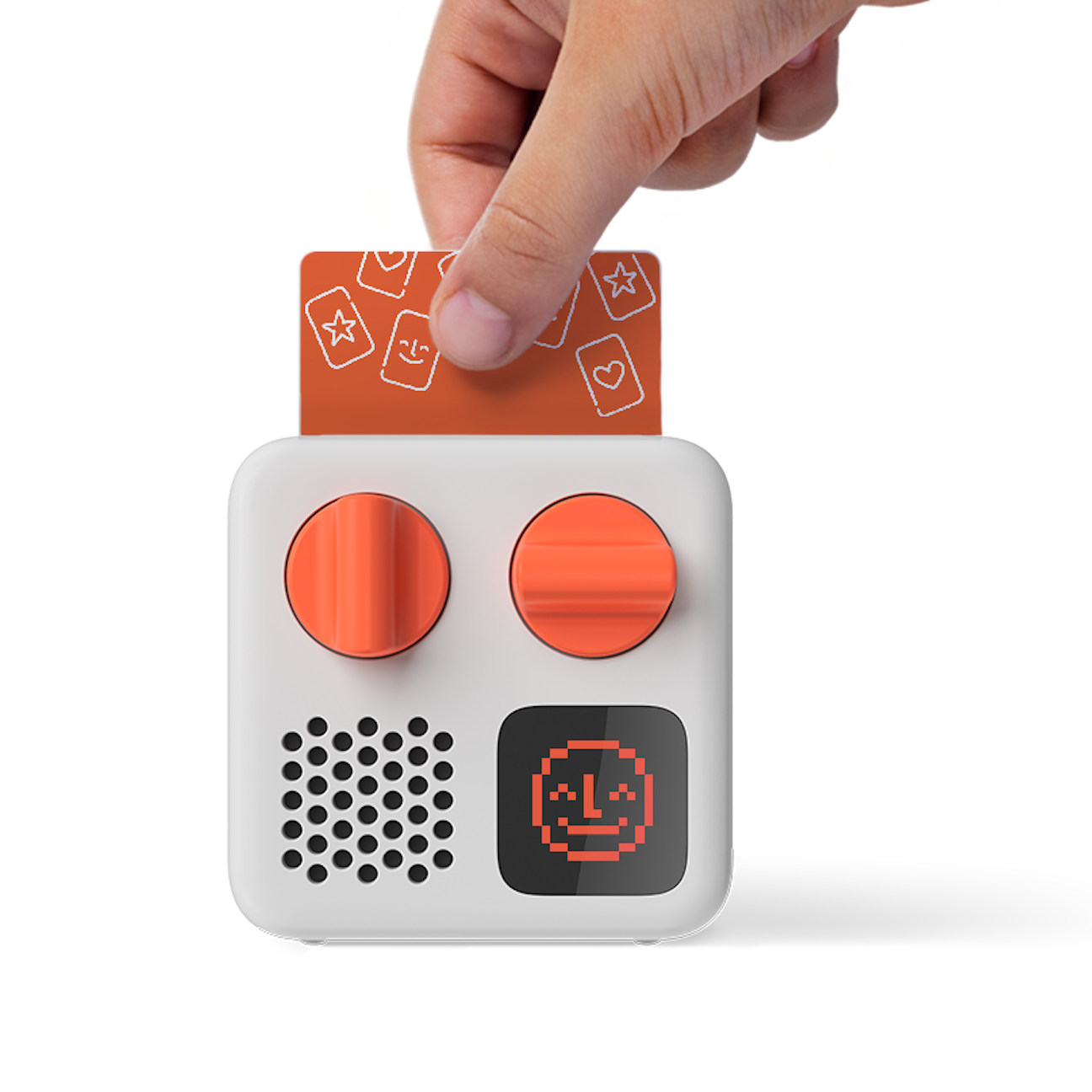
Yoto official product gallery
Yoto Mini
Portable card-controlled audio with up to 14 hours battery, 32GB storage, no microphone, no camera and offline playback after downloads.
Toniebox 2 or Yoto Mini?
Choose Toniebox 2 when the younger child benefits from a soft, tactile figure-based interface and the family is comfortable building a Tonie library. Choose Yoto Mini when portability, card storage, offline downloaded listening and a lower current hardware price matter more, and the child is old enough for the 3+ small-parts guidance.
Our buying checklist
- Use the manufacturer’s exact age guidance and warnings; do not assume “screen-free” means suitable for babies.
- Check volume controls, charging guidance, small parts and model-specific recall history.
- Decide whether the child can control the device independently or whether adult help will dominate every session.
- Separate Wi-Fi needed for setup/downloads from Wi-Fi needed during ordinary playback.
- Include cards, figures and accessories in the real first-year cost.
- For used electronics, verify model/edition and recall-remedy status before purchase.