
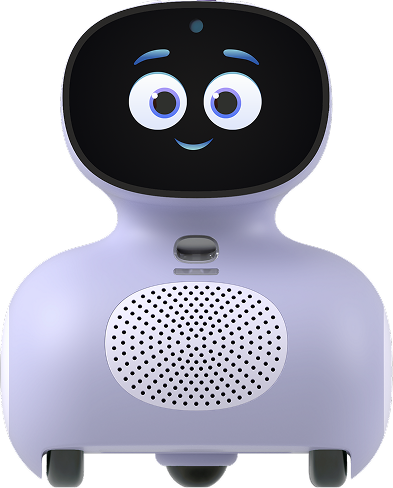
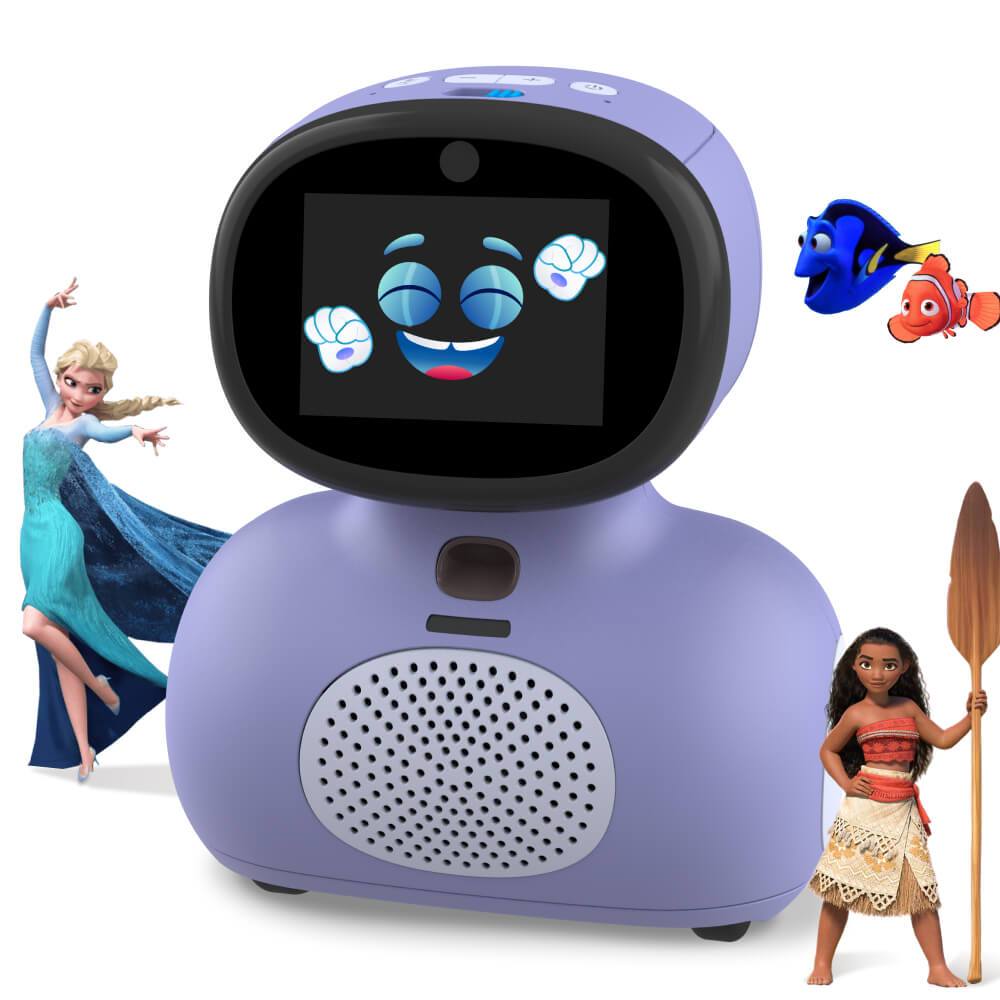
Current owner signal
Miko's current product page displays 4.8/5 from 500+ ratings. That signal belongs to Miko's store; it is not a NextGenBabyPlay score and is not combined with other retailers.
What age is the learning content actually designed for?
Miko's April 17, 2026 support article says its integrated learning experiences are designed for children ages 5 to 10. That is more useful than a vague “kids” label because it gives parents a current manufacturer-defined range for the learning content.
What works without Miko Max?
Miko publishes a direct free-vs-Max comparison. Current examples show full free access to Spell Bee and Dance Master, while Learning Buddy, Story Maker, Disney content, progress reports and parental controls have limited free access. Some entertainment such as iHeart Music and DaVinci content is shown as unavailable without Max.
The point is not that Max is required—it is not. The buying test is whether the specific features your child would use are in the free tier. Miko's current Mini page advertises Max starting at $8.25/month, but plan structures and promotions change, so verify the current checkout terms before treating that as a long-term fixed cost.
What children actually do with Miko Mini
The current product page emphasizes conversation, STEAM learning, games, dancing, singing, Story Maker and music. The strongest educational use is guided interaction that gets the child to answer, explain, create or practice—not simply treating the robot as an always-correct source of facts.
Privacy and parent controls
Miko Mini is a connected conversational device tied to a parent app and child learning profile. Miko's current Parent Zone emphasizes encryption, learning plans, progress reports and screen-time controls. Because the free-vs-Max table shows some control/reporting features as limited without Max, parents should evaluate privacy and subscription value together rather than as separate questions.
Strengths
- $149 current price is much lower than Miko 3's $299 hardware price
- Current learning guidance explicitly targets ages 5–10
- Free tier exists; Max is optional rather than mandatory for basic use
- Parent Zone and published free-vs-Max table make ownership tradeoffs easier to inspect
Tradeoffs
- Several desirable learning and parent features are limited without Max
- Wi-Fi, app and account management are part of the experience
- Conversational AI can be incomplete or wrong and needs family guidance
- Long-term value depends partly on software/content support, not only hardware durability
Miko Mini vs. Miko 3
Choose Mini when lower hardware cost matters most and the child does not need Miko 3's larger screen-based package. Choose Miko 3 when you want the fuller learning-robot experience and are comfortable paying more upfront. In both cases, review the same Miko Max and connected-data tradeoffs.
Safety and family use
Protect the parent account, review current privacy choices, set limits appropriate to the child, and periodically revisit settings after software updates.
Verdict
Miko Mini makes the most sense as the lower-cost doorway into Miko's learning ecosystem. At $149, it is easier to justify than Miko 3—but only if the free tier covers enough of your family's intended use. The product is strongest for ages 5–10 families who actively want connected conversation and guided learning and are willing to manage app, privacy and optional-subscription choices.