
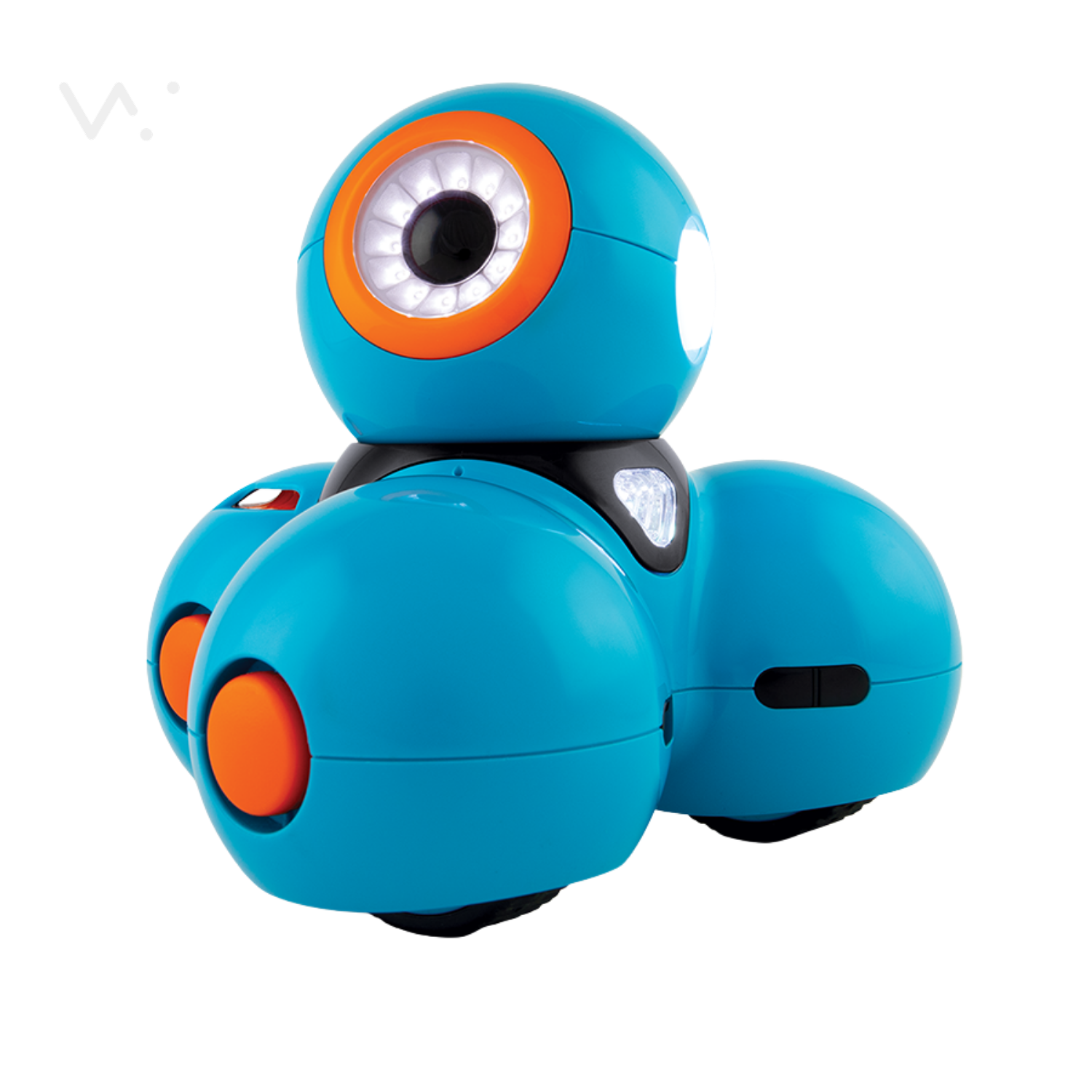
What the current $1,895 bundle includes
Moravia Education currently lists the Dash 12-Pack at $1,895. The package includes 12 Dash robots, 12 USB charging cords and 24 building brick connectors. Moravia currently describes the bundle as saving $364.88 versus buying 12 individual robots at the current single-unit price.
What the bundle does not solve
The robots still need compatible Bluetooth-capable devices for coding. A school should budget for tablets, Chromebooks or computers, protective cases if needed, charging/storage space, labeling, inventory management and time for updates. The robot purchase is only one layer of classroom deployment.
Make Wonder Classroom: what teachers actually get
The current Make Wonder Classroom plan supports 35 student accounts plus one teacher account. Wonder Workshop highlights class management, student progress tracking, assignable lessons, a virtual Dash for each student, Coding Pathways aligned with Code.org A–F, Blockly Pro, math activities and digital coding challenge cards.
The current classroom marketing also lists 60 math activities for grades 3–5 and 72 digital Learn to Code Challenge Cards. Those resources matter because they reduce the amount of curriculum a teacher has to build from scratch.
Free apps vs. paid classroom management
A school does not need a paid Classroom subscription just to make Dash move or teach basic programming. Free in-app challenges cover concepts such as sequences, loops, events and conditions. The paid layer becomes more valuable when multiple students need persistent accounts, assigned work, teacher dashboards, tracking, virtual robots and advanced Blockly Pro features.
Classroom learning value
Dash works well in groups because code produces immediate visible behavior: movement, lights, sound and sensor reactions. Teams can predict, program, test, debug and explain the result. A shared fleet also supports roles such as coder, observer, recorder and debugger, which can turn one robot into a collaborative engineering task rather than one child holding a device.
Coding progression
Wonder Workshop's Blockly environment covers sequencing, loops, sensor events, functions, variables and conditionals. Blockly Pro can extend older or more advanced students into JavaScript and Python. That makes the platform more defensible as a multi-year classroom investment than a robot that stops at fixed-button command sequences.
Age and grade planning
Wonder Workshop uses different age/grade language across its consumer and school materials. The consumer Dash page currently describes a broad roughly ages 5–14 pathway, while classroom materials span elementary and middle-school use cases. Schools should match lesson complexity to the actual class rather than treating one marketing age band as a curriculum standard.
Strengths
- 12 standardized robots simplify group lesson planning
- Clear progression from visual coding through Blockly and optional text coding
- Teacher dashboards, assignable lessons and virtual Dash support classroom management
- No camera on Dash; robot connection is local Bluetooth
Tradeoffs
- $1,895 hardware purchase before student devices/software
- Charging, storage, inventory and updates create real staff workload
- Best classroom-management features are behind a paid plan
- Shared robots require strong routines to avoid downtime and lost accessories
For a family, do not buy the classroom pack
Most homes should start with one Dash robot. The 12-pack is an institutional purchase for schools, libraries, makerspaces, after-school programs and homeschool co-ops with enough learners to justify a shared fleet.
Verdict
The Dash 12-Pack is a sensible classroom purchase when the institution wants repeatable collaborative coding lessons and can support the surrounding device/charging infrastructure. The strongest case is not “12 toys for a class”; it is a standardized robotics fleet paired with curriculum, tracking and a coding pathway that can become more advanced over time.